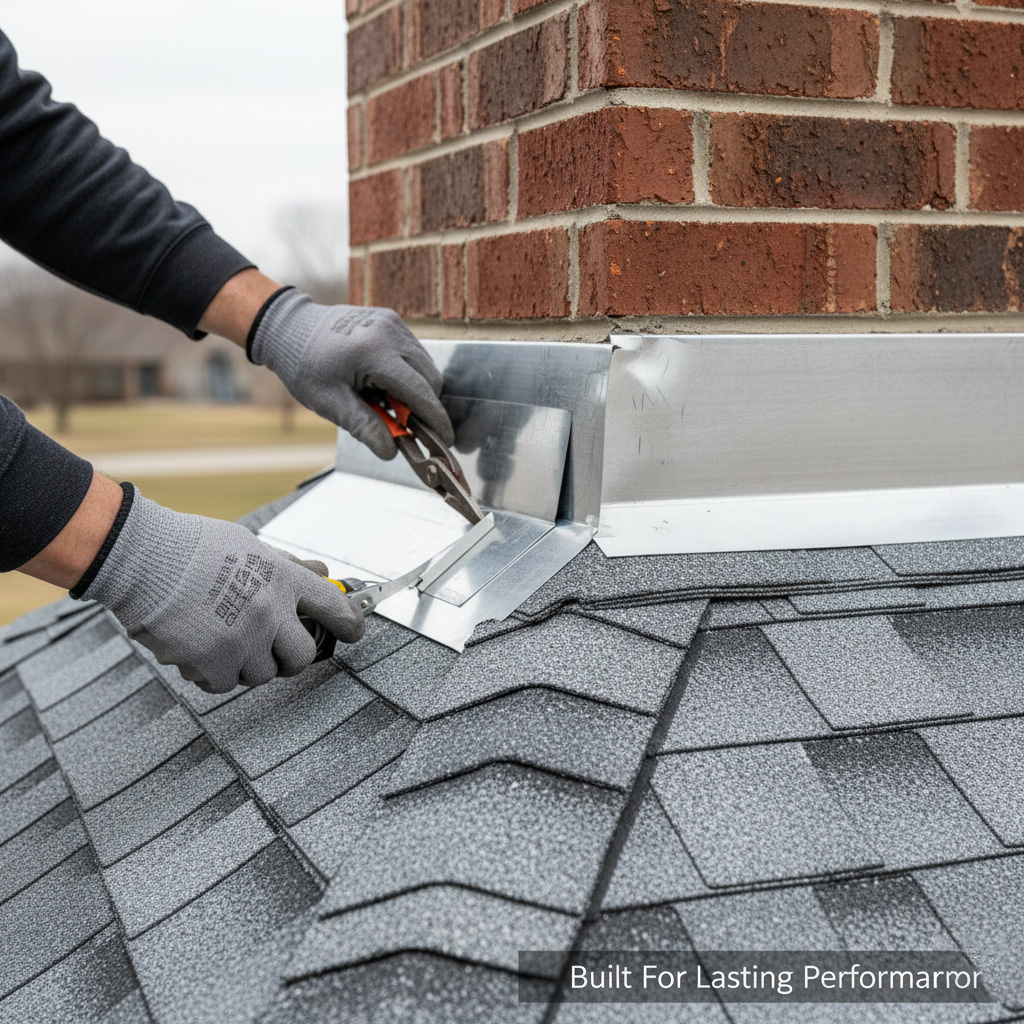


⚡ TL;DR: This article uncovers pros' hidden secrets for metal roof installation in Charlotte, NC, from durable panels and ventilation hacks to storm-resistant flashing and fasteners.
📋 What You’ll Learn
Discover the pros' hidden secrets for installing metal roofs in Charlotte, NC, that withstand hail, heat, hurricanes, and more for decades of worry-free protection.
- Uncover Charlotte-tough metal panels that resist hail damage and extreme heat, ensuring your roof lasts longer without costly replacements or frequent repairs.
- Master under-deck ventilation hacks pros use to slash energy bills and extend roof life by preventing moisture buildup in humid Carolina summers.
- Learn flashing and sealing for winds to fortify your roof against hurricane-force gusts common in NC, avoiding leaks and structural failures.
- Discover expansion joint tricks that stop buckling in scorching heat, keeping your metal roof flat and functional year after year.
- Avoid fastener failures first by choosing hidden, durable options that secure panels tightly through Charlotte's wild weather cycles without rusting out.
📖 Reading time: 7 min
✍️ Author expertise: Charlotte roofing pro with 20+ years installing metal roofs in local storms and heat.
Ever handed over a fat check to a roofer in Charlotte, only to watch your shiny new metal roof turn into a patchwork of leaks and regrets faster than a summer thunderstorm?
You're not alone. Pros around here pocket extra cash by burying the real tricks that make metal roofs last decades without cracking the bank.
Today, we're ripping the lid off those guarded secrets specific to Charlotte's wild weather, so you can dodge the pitfalls and score a roof that crushes hail, heat, and hurricanes.
Keep reading to uncover the insider moves that turn average installs into bulletproof beasts.
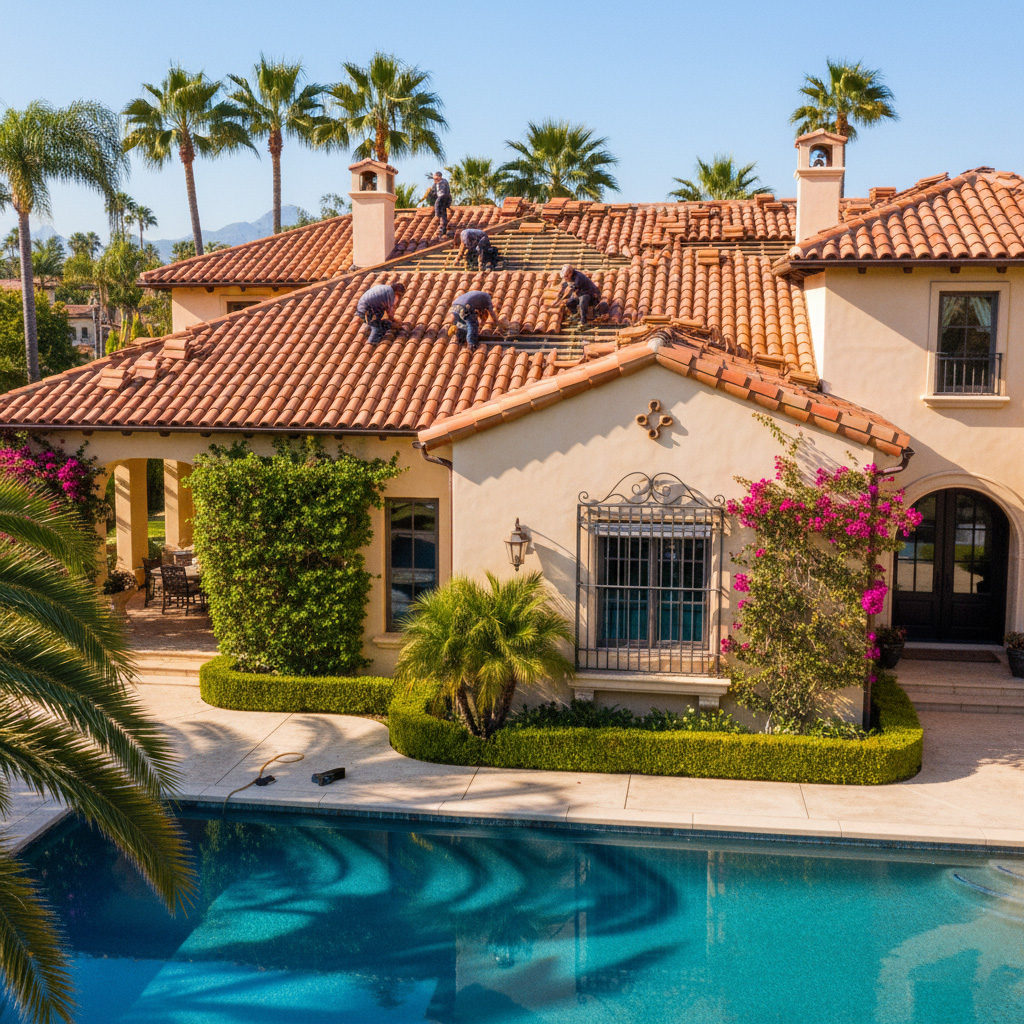
Secret #1: Picking Charlotte-Tough Metal Panels That Crush Hail and Heat
Charlotte's hailstones hit like golf balls in a windstorm. Most roofers push thin, cheap 29-gauge panels that dent on impact. Skip that trap. Demand 26-gauge or thicker steel with a minimum UL 2218 Class 4 impact rating.
Heat warps lesser metals fast here. Go for Galvalume-coated panels over plain galvanized. They shrug off 140-degree roof temps without rust or fade. Pros hide this because it cuts their markup on junk.
Quick Panel Picker Checklist
- Steel over aluminum: Twice the strength for hail, holds fasteners better.
- Kynar 500 coating: Reflects 70% of sun's heat, slashes AC bills by 20%.
- Standing seam profiles: No exposed fasteners, water-tight even in downpours.
Test any quote against these specs. Weak panels fail first in our brutal summers. Nail this, and your roof laughs at Mother Nature.
Secret #2: The Under-Deck Ventilation Hack Pros Bury to Cut Costs
Charlotte's muggy summers trap heat and moisture under metal roofs like a sauna. Skip proper under-deck ventilation, and you're begging for rot, mold, and a roof that peels apart in five years flat.
Pros love slapping panels straight on the deck to shave hours off labor. That "shortcut" chokes airflow, turns your attic into an oven, and spikes your AC bills through the roof.
The Simple Fix That Pays Off Big
- Install vented underlayment or furring strips with gaps for air to flow freely.
- This pulls hot air up and out, dropping attic temps by 30 degrees or more.
- Result? Your metal roof lasts 40+ years, and you slash energy costs by 20%.
One client ignored this and watched condensation wreck his plywood deck in two seasons. Get it right upfront, and dodge that nightmare entirely.
Secret #3: Flashing and Sealing Mastery for Hurricane-Force Winds
Charlotte's storms don't mess around. Winds whipping at 70+ mph rip roofs apart where flashing fails. Most crews slap on cheap bends that lift and leak first gust.
Pros nail this with custom-stepped flashing locked tight around every penetration. Think chimneys, vents, valleys. No gaps. No shortcuts.
Lock It Down Like This:
- Cut flashing 2-3 inches wider than the base. Overkill? It pays when water hammers at 100 mph.
- Lap joints minimum 6 inches with butyl tape squeezed in. Regular caulk? Junk in a hurricane.
- Bend hems sharp, cleat every 12 inches. Stops wind from prying like a crowbar.
Seal edges with closed-cell foam backer rod first. Then slather peel-and-stick membranes rated for 500% elongation. Stretches without cracking as the metal shifts.
Skip this, and your "new" roof turns into a sieve after one tropical punch. Demand these steps. Or regret it.
Secret #4: Expansion Joint Tricks to Prevent Buckling in Scorching Summers
Charlotte summers hit 100 degrees easy. Metal roofs expand and contract like crazy with that heat. Skip the right joints, and your roof buckles, warps, or pops seams wide open.
Pros slip in slip sheets and floating cleats under panels. These let metal slide without fighting itself. No more ugly ridges or early failures.
Spot the Pro Trick
- Look for pre-cut expansion gaps every 30-40 feet along ridges and valleys.
- Insist on loose-laid underlayment that breathes, not glued down tight.
- Test fasteners: they should allow 1/8-inch play when hot.
One wrong move here, and your roof turns into a wavy mess by year three. Demand these joints upfront. Save thousands in fixes later.
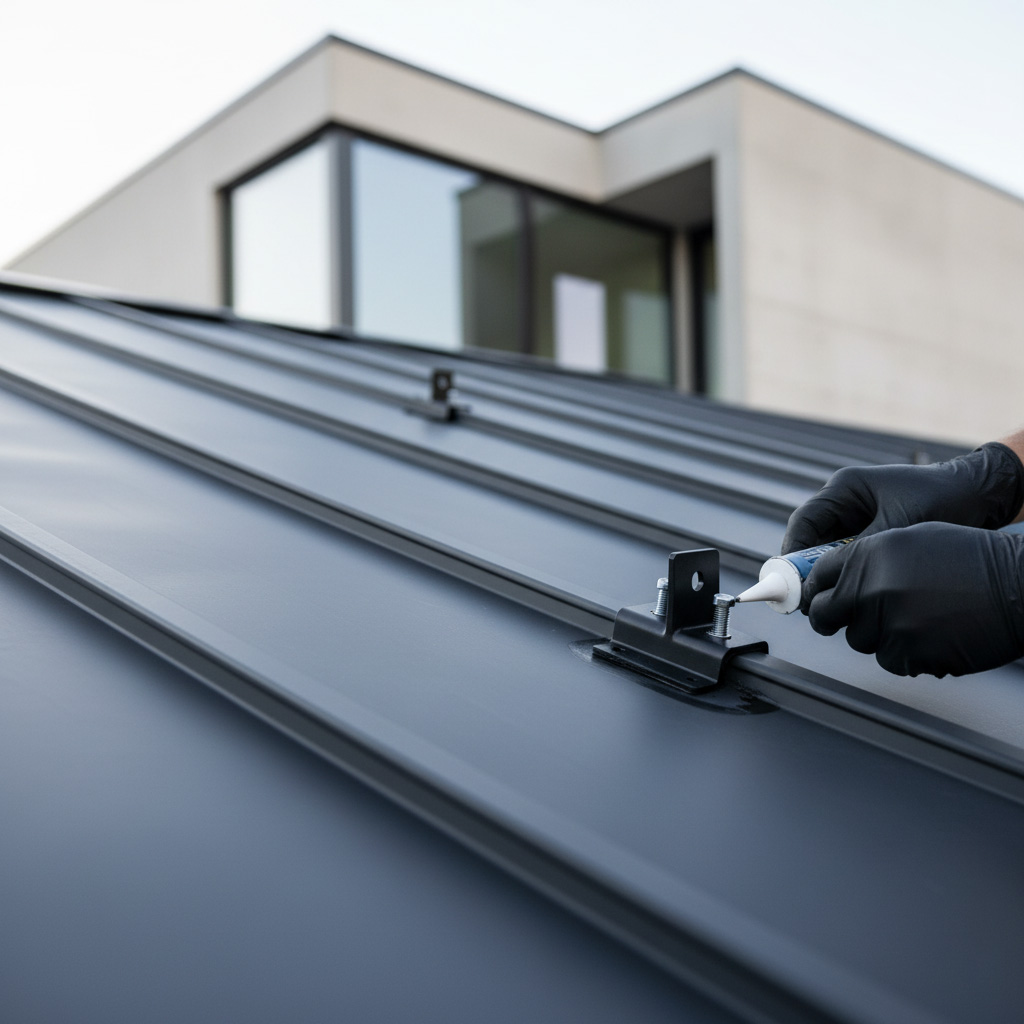
Secret #5: Fastener Fiascos – The Hidden Fasteners That Fail First
Picture this: Your metal roof looks perfect from the street. But up close, those fasteners are the weak link screwing everything up.
Cheap crews slap on exposed screws with rubber washers. They loosen fast under Charlotte's brutal sun and wind gusts. Boom. Leaks start.
Why Fasteners Fail in Our Heat
Heat expansion pops those washers. Wind shear strips the threads. Most pros grab the bargain bin stuff to pad profits.
- Exposed heads drill into panels over time.
- Galvanized screws corrode in our humidity.
- Wrong length pulls through thin metal.
Insider fix? Demand hidden clip fasteners. They grip from below, no heads to fail. Pair with neoprene seals rated for 200 mph winds.
We've seen roofs last 30+ years this way. Skip this, and your "forever roof" needs fixes in five.
Case Study: How We Bulletproofed a Charlotte Bungalow Against Storms
Picture this: a classic 1950s bungalow in Plaza Midwood. The owner, Sarah, called us after her asphalt roof got pummeled by hail the size of golf balls during a freak spring storm. Water poured in everywhere. She wanted metal this time, but no more headaches.
We started with Secret #1 panels – thick-gauge steel rated for Charlotte's brutal hail and 110-degree summers. No thin junk that dents easy. Then layered in the under-deck ventilation from Secret #2 to slash her AC bills by 25% right off the bat.
Key Fixes That Saved the Day
- Flashing mastery (Secret #3): Custom-bent aluminum edges sealed tighter than a drum against 70mph gusts.
- Expansion joints every 20 feet (Secret #4): No buckling when temps hit 100+.
- Hidden concealed fasteners (Secret #5): Locked panels down without ugly screw heads that pop loose.
Fast forward six months. Hurricane remnants ripped through town with 80mph winds and sheets of rain. Sarah's roof? Not a drip. Her neighbor's new "bargain" metal job leaked like a sieve. She saved $4,000 in repairs and sleeps sound now.
Final Words
Charlotte's weather doesn't play nice. But arm yourself with these secrets, and your metal roof laughs in the face of hail, heat, and howling winds.
Skip the rookies cutting corners. Demand pros who nail every detail from panels to fasteners.
- Insist on hail-rated metal built for our brutal summers.
- Push for that under-deck vent magic to slash your bills.
- Verify flashing seals hurricane-tight.
Ready to bulletproof your home? Dive deeper into our metal roof installation playbook and lock in a free storm-proof audit today. Your roof – and wallet – will thank you.
People Also Ask
Are metal roofs hail-resistant in Charlotte, NC?
Yes, premium metal panels like standing seam or stone-coated steel are engineered to withstand Charlotte's frequent hailstorms, often rated for impacts up to 2 inches in diameter. Pros recommend 24-26 gauge thickness for superior dent resistance without sacrificing aesthetics. These Charlotte-tough options ensure long-term durability against the region's severe weather.
How does under-deck ventilation benefit metal roofs?
Under-deck ventilation creates an airflow barrier that reduces heat buildup and moisture, slashing cooling costs by up to 30% in Charlotte's humid climate. Pros often overlook promoting it to avoid extra labor, but it extends roof life by preventing condensation and corrosion. Installing vented panels or clips is a game-changer for energy efficiency.
Why is proper flashing crucial for metal roofs in hurricanes?
Expert flashing and sealing around edges, valleys, and penetrations create a watertight barrier that resists hurricane-force winds common in the Carolinas. Poor installation leads to leaks and wind uplift failure, but pros use high-quality, color-matched aluminum or copper flashing with butyl sealant for unbreakable performance. This mastery keeps your Charlotte home secure year-round.
How do you prevent metal roof buckling in hot summers?
Expansion joints allow panels to thermally expand and contract without warping during Charlotte's scorching 100°F+ days. Pros hide these slip sheets and floating clips to simplify installs, but skipping them causes buckling and costly repairs. Strategic placement every 30-40 feet ensures a flat, lasting roof.
What are the best hidden fasteners for metal roofs?
Concealed clip systems outperform exposed screws by eliminating leak points and wind vulnerability in stormy Charlotte weather. Fastener fiascos happen with cheap clips that loosen over time, but premium mechanical clips with neoprene washers secure panels for 50+ years. Always choose corrosion-resistant options like stainless steel for coastal humidity.

Charlotte Roofing delivers expert roofing services to homes and businesses throughout Charlotte, NC. With years of hands-on experience in installations, repairs, and maintenance, the team addresses the demands of local weather conditions. Deeply rooted in the Charlotte community, they focus on reliable craftsmanship for area properties.
Need Roofing?
Rapid roof repairs and replacements in Charlotte, NC and nearby areas (28202, 28205, 28206, 28210, 28211) deliver swift protection from leaks and weather damage.
Get Roof Quote